
Marlow’s Moral Awakening
Heart of DarknessThis flow follows Marlow’s changing judgment as he witnesses exploitation, enters the wilderness, and confronts Kurtz’s legacy.
increasing Bearing strength in each event
 decreasing
Bearing strength in each eventdecreasingThe Uneasy Departure

A Seaman’s Doubt
A Practical Decision
Marlow accepted a Company appointment to command a steamer. His choice began as a route into a place that had fascinated him since childhood.
Signs of Conspiracy
The office’s silent ceremony, the doctor’s questions, and his aunt’s idealizing language unsettled him. He sensed that the venture was not as straightforward as its official presentation.
A First Change
Marlow departed with curiosity and apprehension together. His journey began before the coast, in his growing awareness that European explanations might not match the work being done.
Witness to the Grove
Seeing the Cost
Workers in the Shade
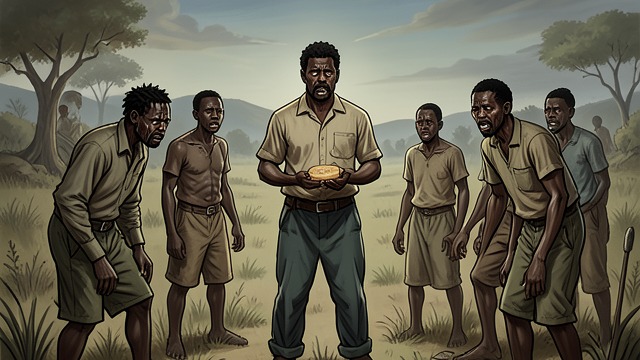
Marlow found sick and starving African workers who had been left to die in the Grove of Death. Their condition contradicted the legal language used to describe their employment.
A Personal Gesture
He offered a biscuit to a young man who could scarcely move. The gesture could not repair the system, but it fixed Marlow’s attention on its human consequences.
No Easy Distance
Marlow could no longer regard the station as an abstract commercial enterprise. The suffering he saw made neutrality difficult even as he remained part of the Company’s journey.
The Work of Keeping Afloat

Finding a Task
A Damaged Vessel
The sunken steamer gave Marlow a problem that could be addressed directly. Its recovery and repair became the focus of his daily labour.
Work Against Futility
Around him, Company agents delayed and plotted. Marlow’s technical effort offered a limited but tangible alternative to their emptiness.
A Measure of Himself
He believed work could reveal a person’s reality beyond outward appearance. The repair tested that belief and helped him retain a sense of purpose.
Choosing to Follow Kurtz
From Curiosity to Involvement
A Long-Awaited Encounter
Marlow finally saw Kurtz, the man whose name had shaped the journey. He found a sick, powerful figure whose actual presence exceeded earlier descriptions.
A Personal Attachment
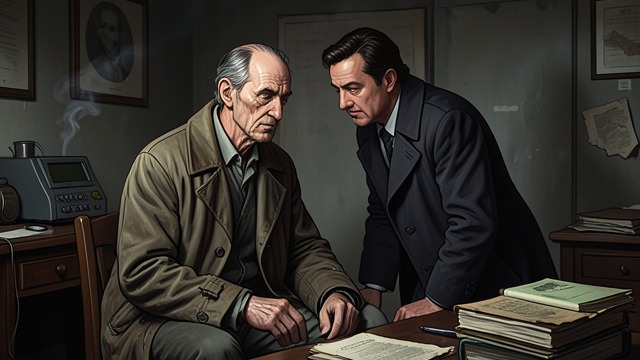
Marlow became attached to Kurtz’s voice and to the possibility of hearing him speak. He stayed near the dying man even when Company officials preferred to reduce him to an inconvenient case.
Loyalty Under Strain
Marlow’s loyalty was not approval of Kurtz’s actions. It grew from witnessing the man’s struggle and hearing his final judgment firsthand.
The Burden of Memory
Carrying the Story Home
The Dead in the City
Back in Europe, Marlow found ordinary business and conversation painfully shallow. His experiences made familiar confidence appear like an irritating pretense.
Protecting the Papers
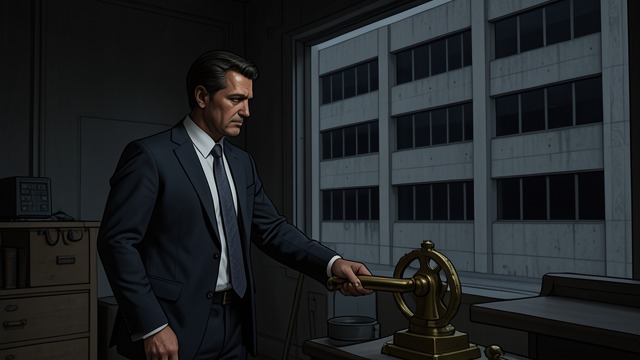
He refused to hand Kurtz’s documents to Company representatives seeking useful information. The report’s humane surface and violent postscript made its custody a moral decision.
A Continuing Obligation
Marlow’s loyalty lasted beyond Kurtz’s death, but it brought no simple vindication. He remained responsible for deciding what to preserve, what to reveal, and what to conceal.
Before Marlow sails for Africa
At the Outer Station
During the Central Station repairs
After Marlow meets the Russian Trader
After Marlow returns to Europe
